
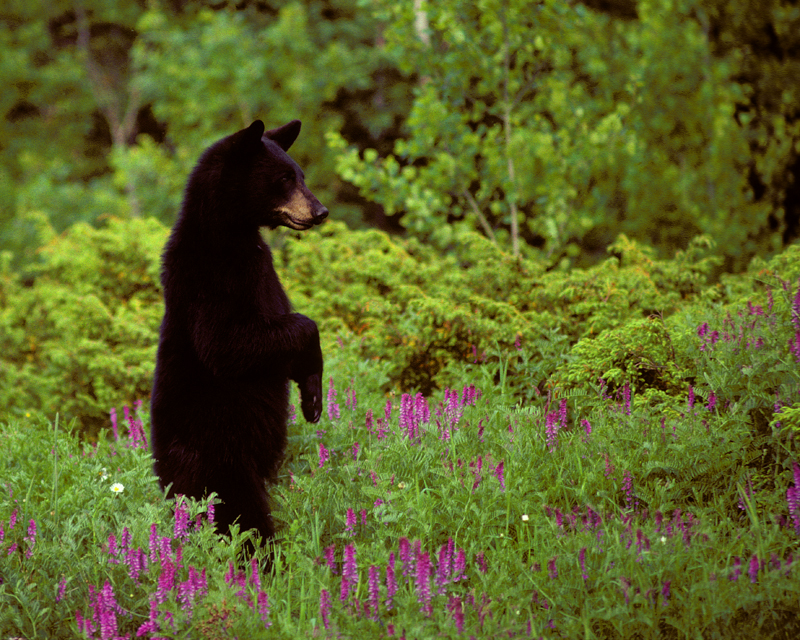
 Bear standing in vetchNo one knows why only about one black bear in a million kills someone while about 60 people in a million commit homicide in North America. Why did the bear allegedly kill the 22-year-old man in New Jersey on Sunday? No one knows. The New Jersey Herald reporter who called said it’s likely one of those things we will never know.
A policeman in the area expressed doubts about the whole story, writing:
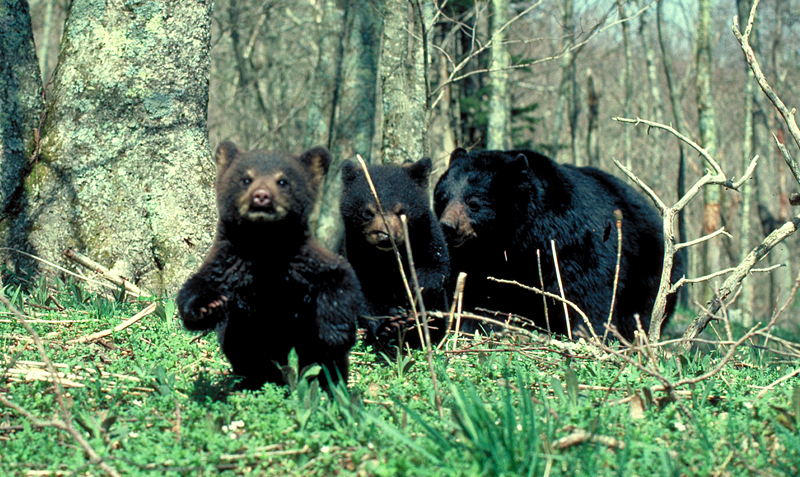 Mother and cubs“There are some problems in my mind already about the story. The boys stated they all ran away at the first sight of a bear. They didn't note their friend missing until they got back to the cars. Well, if the bear picked off "the slowest runner" and attacked, wouldn't these boys have heard his screams for help etc.? Then they call police but it takes 2 hours to find the body. How far did these boys go when their friend fell behind? The media reports that the bear was "following them" not attacking them when they bolted. My theory is that this kid was so panicked that he fell and hit a rock or went into cardiac arrest and the bear went after him as carrion. My theory number 2 is that these boys were up to something they shouldn't have been doing that caused his death and they fled when they saw the bear approaching the already dead boy. Why wouldn't they run down the same trail they came up, why separate?”
So we wait for details to be released. There was another big attack story that came out of New Jersey in 2009 that turned out to be false.
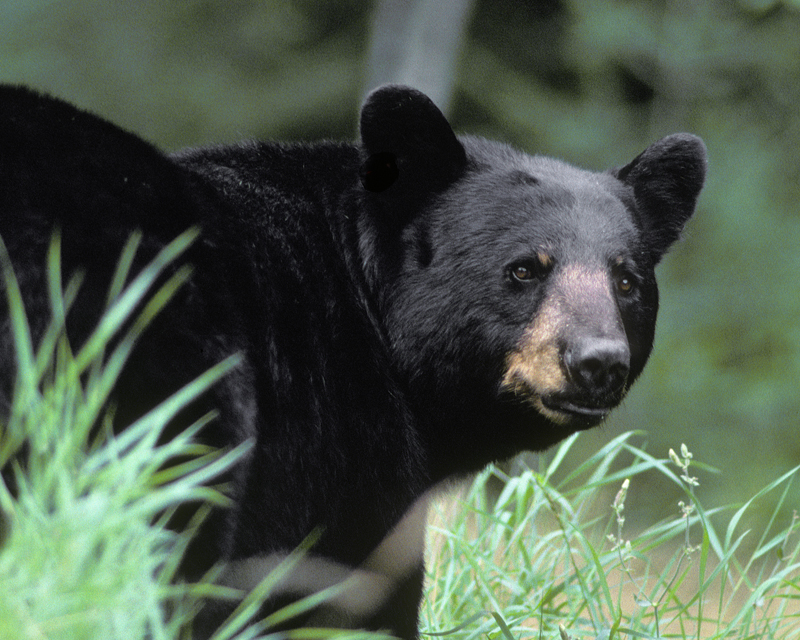 Bear looking backBut people are grasping at straws to explain the alleged killing, blaming it on granola bars the people were supposedly carrying, blaming it on the poor acorn crop and hunger, blaming it on the possibility that the bear had obtained food from people before, and blaming it on the people running. Millions of people carry food in the woods and are not attacked. An untold number carry food on the Appalachian Hiking Trail alone without being killed. Yes, there is a very poor acorn crop in New Jersey this year, but there are often years in parts of the black bear range that have so little food that cubs die and mothers abort without people being killed. A common statement among wildlife biologists is that when bears obtain food from people they become ever more aggressive in obtaining that food. We’re not sure what they mean by aggressive, but we have never seen any quantified data backing that statement up. If that were true, we can’t imagine the people here in Eagles Nest Community would continue to feed bears now for over 50 years. The fact is that we have never had a bear come after any of us and hurt us, and we don’t know of anyone in the community that has had that happen, either. .The DNR played on the public fear of that happening and told the media repeatedly that we were training bears to go up to people for food—not that bears were really doing that, but that we were training bears to do it. The idea that running triggers attacks is one of the most common pieces of advice about what not to do if you encounter a bear. As often as we have heard that, we thought there must be a solid body of data confirming the statement. There isn’t. We ask every authority we hear make that statement if they can give us an example. We have yet to hear even one example. The assumption behind the claim that running triggers attacks is wrong. It assumes bears would love to attack us if they only dared. If that were true, we should have long ago been attacked by at least one of the many bears that have lost their fear of us over the years. In fact, we have never had one bear come after us and hurt us
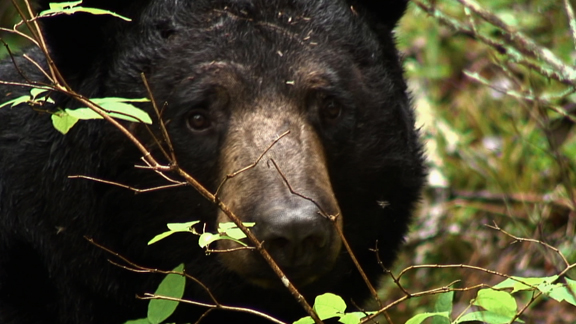 Big Harry close-upSo what should a person do if they see a bear? People have tried about everything imaginable. A lady being followed by a bear lay down and played dead; the bear sniffed her and walked on. Others have run away, causing the common “I ran one way, and the bear ran the other” story. People have backed away slowly, speaking gently. They have waved their arms and yelled at the bear. They have thrown rocks at the bears. They have used pepper spray, blasted air horns, banged pots and pans, and rattled cans filled with pebbles. What is the conclusion? One approach is no better than another. Attacks are rare regardless of what a person does. On the bell shaped curve of bear encounters, attacks are so rare that it would take a person many lifetimes to experience one, about one in a million encounters. The real question is why black bears, powerful as they are, kill so few people and are so timid. In working closely with black bears, it is their timidity that scares us. As with dogs and grizzly bears, it is their fear that makes them react defensively. As they learn to trust us, we have less to fear.
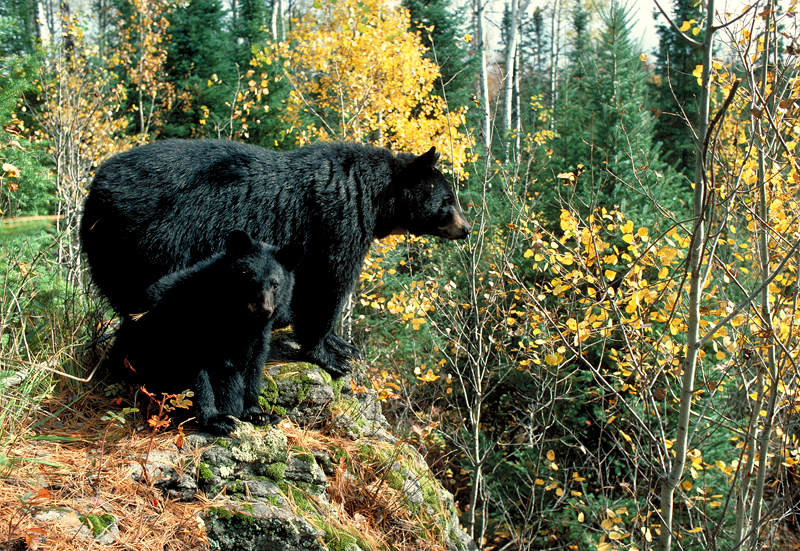 Mother and cub in fallOne other factor may have played a part in the New Jersey incident if the bear indeed did kill the man - the whole thing happened in a fenced area between 500 and 600 acres (less than a square mile). Was the bear trapped in that area? Like the New Jersey Herald reporter said, if the bear did kill the man we may never know what triggered it or how it happened. This incident will likely teach us very little about why the rare black bear kills a person.
 CFC Approved Charity #38224On another subject, we are happy to announce that the North American Bear Center is eligible for donations through the Combined Federal Campaign that runs through December 15. Any way that Lily Fans can get behind this will be greatly appreciated. If you aren’t a federal employee, maybe you have friends and relatives who would give if they knew about it. We are nonprofit number 38224 on the pledge form. Details are at http://www.bear.org/website/how-to-help/cfc-workplace-giving.html.
Thank you for all you do.
Lynn Rogers, Biologist, Wildlife Research Institute and North American Bear Center